

It's Monday again, one week closer to real hockey. Which is either the prospect tournament in Montréal in under a month or the first preseason game which is just over one month away, or the real thing in October. Depends how desperate you are for a game.
The Islanders signed a goalie prospect to one year at $775k, and that's it for signings since Saturday. There were no trades.
Okay Akim Aliu says the NHL is wrong to say hockey is growing:
He specifically says minor hockey is in decline all over the world. Now, that's a big generalization, but I didn't think that added up with the last numbers I'd seen for Canada specifically.
In general, it is true the overall participation in hockey, as tracked by the IIHF has been growing in Canada and the USA largely due to increased participation of women and girls.
It is also true that hockey participation cratered during the pandemic. Obviously.
However, the situation for minor hockey in Canada, per this CBC article from February, is not a bleak decline.
The deeper history:
The high-water mark for nationwide minor-hockey registration was 2011 — perhaps due in part to the Vancouver Olympics the year prior. The numbers, according to Ontario Minor Hockey Association executive director Ian Taylor, then went flat before plummeting in 2020.
And then:
In 2019, more than 500,000 boys were registered for minor hockey in Canada. One year later, the number dropped under 375,000. In the years since, registration has slowly risen once again, and in 2023 it was nearly back to the pre-pandemic level.
The numbers in Ontario follow a similar pattern, but there is one outlier — the number of self-identifying ethnic players in 2024 is nearly double that of 2020, and has risen at a faster rate than the general population.
Taylor credits the OMHA's 'Hockey is Fun' campaign — which was distributed in Punjabi and Mandarin as well as English, and borne of the need to rethink how minor hockey is marketed — for the successful reintegration of hockey.
This article from one year ago contains a handy chart of the two countries' growth history:
 STEPHEN WHYNO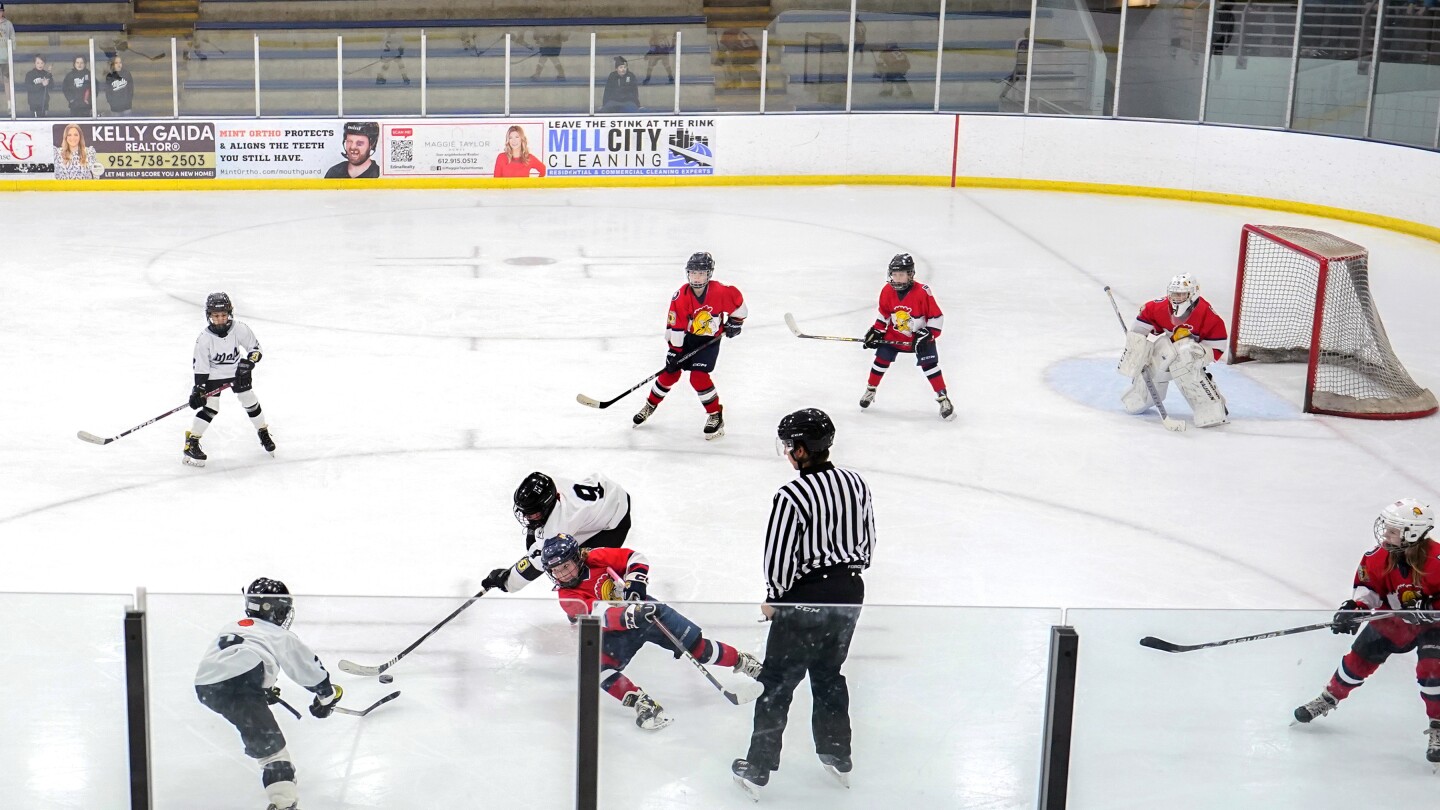
The headline relies on counting from 2011 so the word shrink can be used.
The growth of women and girls playing hockey in the USA is substantial. But you can see from the charts above that changes haven't been dramatic, and don't show post-pandemic declines in either country. Note: no one is controlling for population fluctuations in these figures, it's just gross numbers registered.
Aliu talks about one side says one thing, one another in his interview, and yet... there are facts and non-facts as opposed to "sides" in this conversation, so if you want to make good decisions about participation in sport for children, you need facts, not assumptions or PR phrases or counter arguments, all of which sound like generalizations.
I think that CBC article also illustrates something important: the NHL doesn't have the patent on hockey, and Gary Bettman is not the king of the sport. Nations, communities, groups, individuals all get to decide if this sport is growing or not, and who for. Hockey Canada and USA Hockey don't answer to the NHL.
Growing the game for children takes hard work, mostly from volunteers and it takes a lot of civic funding. Two weeks ago, two stories floated by me on the same day. One I posted here about a local hockey tournament for kids shutting down in part because of lack of volunteers, and the other was a small town's service club unable to find enough members to keep offering their programs. If the nature of society is changing – or just the demographics or the way people want to contribute – the sport may decline because there aren't enough people to run it.
I bet we'll see a big rush of kids playing soccer starting next summer, too, and this is not a tragedy.
What is really frustrating to me is two things: that both countries in North America have seen growth in the sport in geographic areas or within communities where it wasn't previously popular, but this is largely invisible within the rhetoric about the sport. Second, it's 2025 and it's not yet inherent in the sport that hockey is for everyone. We need special programs like the one mentioned in the CBC article. And, you know, a sport that is safe and welcoming for everyone who plays it.
A lot of NHL players support their hometown community programs, by the way. London has been made better because Nazem Kadri gives back.
Okay, that's enough of that. What else is going on? Oh, speaking of Naz...
 Sportsnet Staff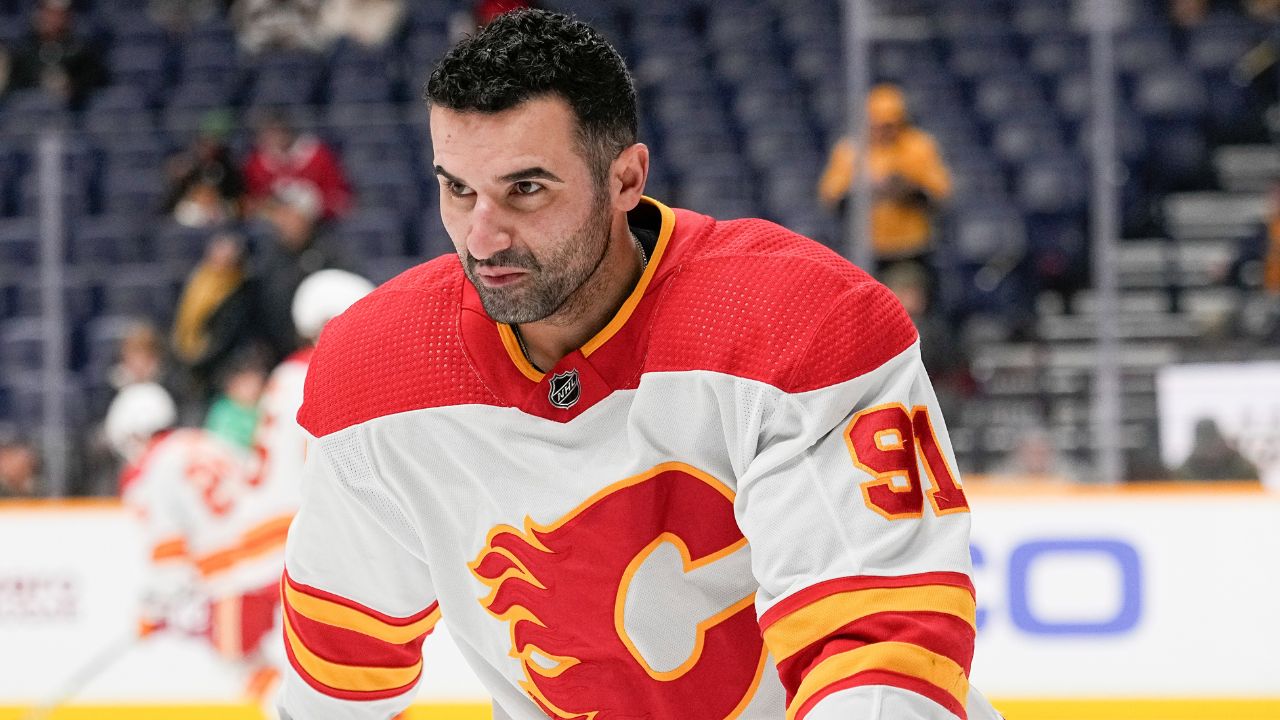
Tough gig to get, but I was a little surprised Kadri didn't at least get an invite to the orientation camp.




Comment Navigation & Markdown
Navigation
cc to focus on comments section
c next comment
x previous comment
z next unread comment
Inline Styles
Bold: **Text**
Italics: *Text*
Both: ***Text***
Strikethrough: ~~Text~~
Code: `Text` used as sarcasm font at PPP
Spoiler: !!Text!!