

Yesterday Team USA Women shutout Sweden 5-0 to head to the gold medal game on Thursday. Team Canada Women massively outshot the Swiss and ended up grateful for a late-game power play with a 2-1 lead to negate the goalie pull. They join the USA in going for gold.
19 TO BREAK IT. 20 TO OWN IT. 🙌@PWHL_Montreal Captain Marie-Philip Poulin stands alone in breaking the record (20) for MOST CAREER GOALS in Olympic women’s hockey history! pic.twitter.com/ZfWFdBlfOk
— PWHL (@thepwhlofficial) February 16, 2026
The men were off yesterday and today's action is the four playoff games to set the four lower ranked teams for the quarterfinals. Sweden plays Latvia at 3 pm.
The Leafs are supposed to be heading back to a practice schedule today, so if we're lucky we'll get some good news about some of those injuries.
The NHL trade freeze is still in effect until Sunday at midnight.
In other newsish things:
 NHLMedia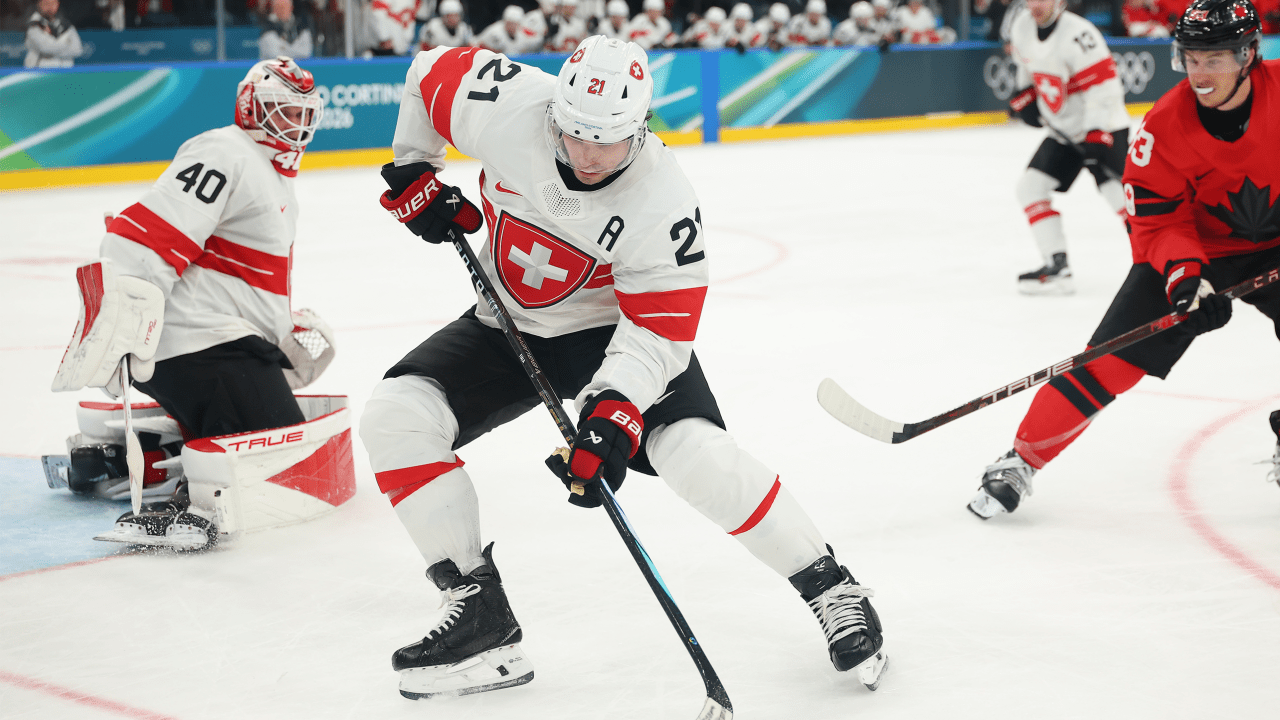
The wording here is vague and they aren't saying right out that the Kings will be looking to designate him as out for the season and playoffs to use full LTIR for his $7,875 million cap hit, but that is surely what will happen. They are talking about fractures plural here.
This is interesting:
 TSN.ca Staff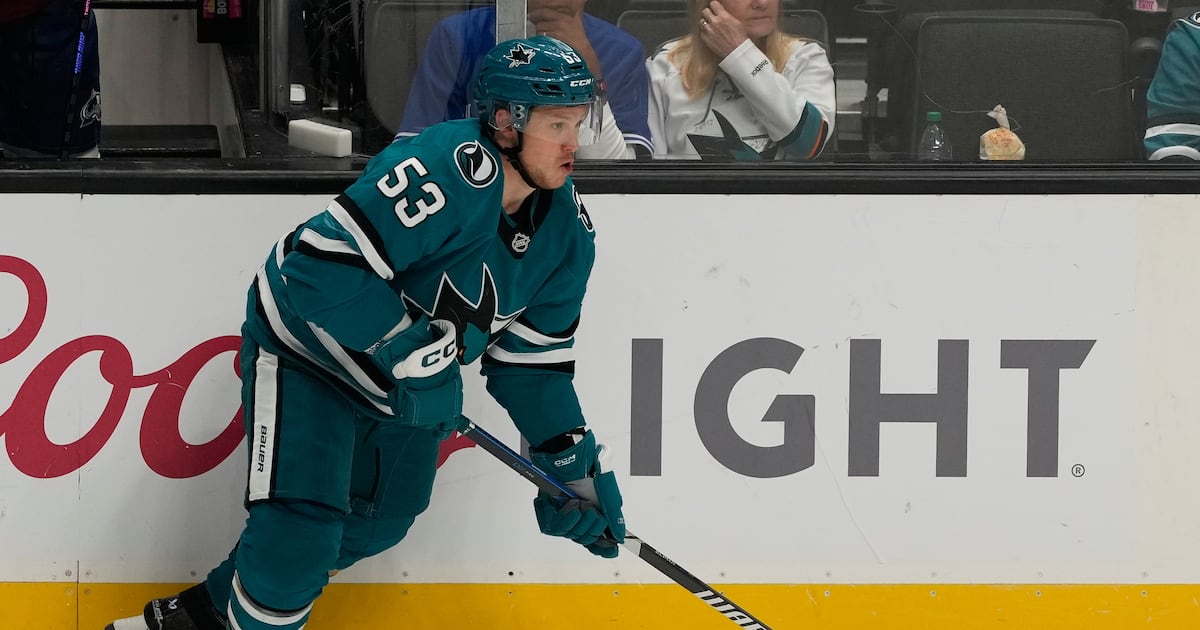
If he can pick up an NHL contract before the trade deadline, he is able to play in the playoffs. He had an unusual contract, with a full NMC to January and then an 8-team no-trade (per Puckpedia). So you have to think the Sharks tried to trade him and failed.
Yesterday when I rambled on about abolishing the draft, there was a segue I ended up cuttin about this phenomenon of contract terminations. It's a bit related, but I thought it was not related enough.
This is now officially a trend. It wasn't started by David Kämpf, but he's the most successful user of this system to date. To be honest, I think it was begun by Corey Perry's unwilling termination of his deal by Chicago that led him to sign with a better team and prosper there. This is what players are looking for – more control over where they play and what role they play.
The path to this outcome used to be what Perry did or what Skinner did this season: take a deal on a tanker for more money than you'd get on a good team, play out the first 2/3 of the season and then get traded at the deadline where your prorated salary is not so painful.
Now the tankers sometimes aren't. San Jose may be entertaining the idea they can make the playoffs. Kämpf's problem was one of fit and the term on his deal. His style of play is that of a top line centre who isn't top line in the NHL. He's got some defensive ability, but not the obvious kind that reassures the coach that you're actually doing something. It is not even remotely a surprise that he lost his job to Steven Lorentz and Scott Laughton who both know how important it can be to be obvious sometimes.
This gambit of players, once reserved for Europeans who didn't want to toil in the AHL on the off chance of a fourth line shift in 10 games here and there, is not going away.
The conundrum though is that the NHLPA tends to favour the established regular rostered players of at least a middle rank in terms of what they emphasize in CBA talks. This is natural and unlikely to change a lot.
LTIR got to be a problem because, to take the obvious example of Joffrey Lupul, players who were capable of playing, but not very well and who were paid too much to be bought out or traded, ended up on LTIR. The league doesn't like that, and that's one of the things they're seeking to change with their new rules.
But a lot of players don't want to fade away quietly or become the AHL star they never wanted to be. They realize they will take less money to play for something that matters. And why shouldn't they?
Players are at risk of waiver claims in the NHL because the system is designed to put NHL-capable players in the NHL. And facilitating player movement this way is a good idea.
The trouble is, of course, that teams can weaponize this by signing older players to term and then telling them to terminate their contracts a couple of years later if they don't like the pressbox. They used to have to buy them out. Now, the rising cap can mean an unburiable amount bigger than a buyout cap hit is just the price you pay for a few weeks until the player plays ball. Buyouts have been largely disappearing from the NHL over the post-Covid years as well.
And finally:
News: The boards at Santagiulia Arena will be changed to a lighter color beginning on Tuesday, an IIHF spokesperson told ESPN.
— Emily Kaplan (@emilymkaplan) February 16, 2026
The IIHF typically refreshes boards during tournaments but color change comes after player feedback so far in these Olympics. https://t.co/UC9TTTQW2z


Comment Navigation & Markdown
Navigation
cc to focus on comments section
c next comment
x previous comment
z next unread comment
Inline Styles
Bold: **Text**
Italics: *Text*
Both: ***Text***
Strikethrough: ~~Text~~
Code: `Text` used as sarcasm font at PPP
Spoiler: !!Text!!