

This ongoing story of John Tavares's first contract with the Maple Leafs and how the salary should be taxed as finally hit tax court. This case had ostensibly come to a close with CRA finding against Tavares, but this appeal is before the Tax Court.
 Joseph Brean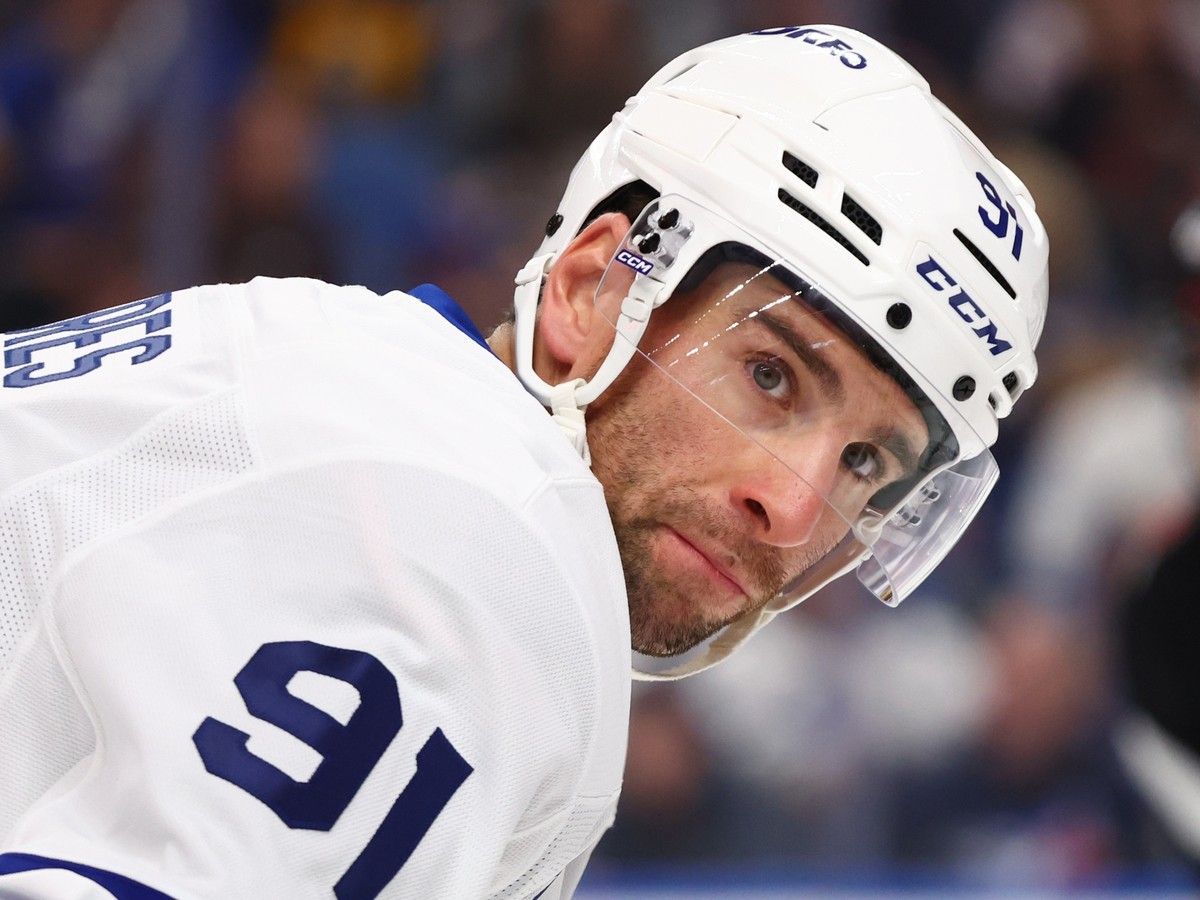
The article above tries hard to find some wider implication to this case for the NHL, but there really isn't one.
The gist here is that Tavares signed a contract to come to the Leafs from the Islanders that had a Leafs-typical structure:
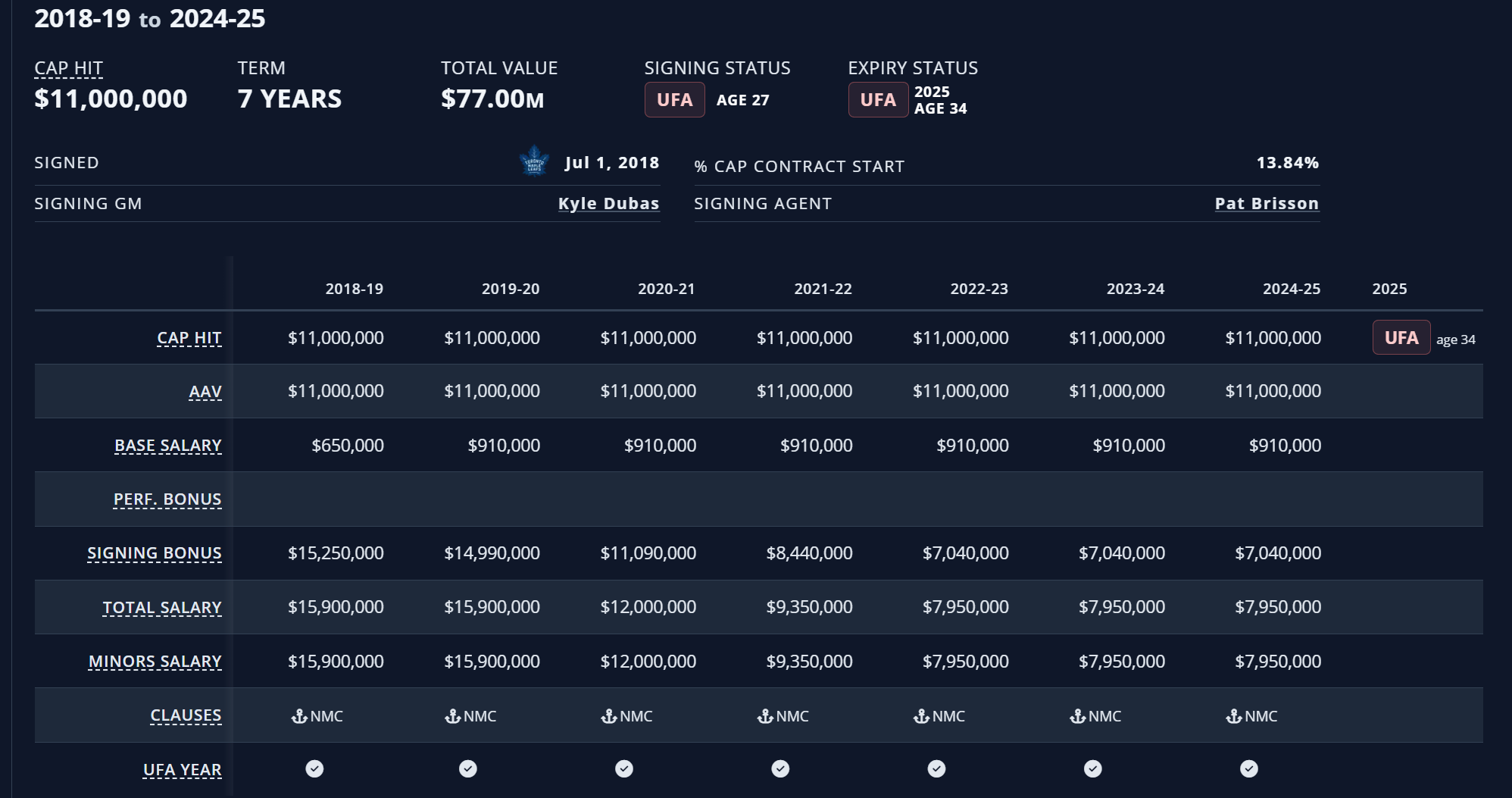
The base salary is at or near league-minimum in every year, with the rest paid as a signing bonus. These contracts give the player some value, assumed to be in return for a lower AAV than they could get from some other team.
That value consists primarily of the time value of money, or the extra value the player gets by having his signing bonus months before the work he'll do to earn it even commences.
Any front-loaded contract (one where the maximum allowable salary is paid in the first few years, which this also is), also adds to the time value, and both the signing bonus and the front-loading make a contract buyout proof. Buyouts are calculated on salary, not AAV, so there is little to buyout in the later years of a deal like this. Both of those things are wholly unrelated to the tax case, but they are the primary reason these contract structures exist, and why the NHLPA and NHL have negotiated the rules for front loading and minimum base salary.
John Tavares (and Patrick Marleau, who has had his case joined on here) crossed the border to come to the Leafs, and therein lies the conflict over what exactly an NHL signing bonus is or is not.
Both players paid tax on their first signing bonus as if it was US income in accordance with their understanding of the Canada-US tax treaty. They both were US residents at the time it was received. Tavares paid 15% tax on his. CRA says it was not an inducement to cross the border and come to the Leafs, but is instead just ordinary salary that the NHL pays out in the way it does for reasons that have nothing to do with inducing a player to sign. They say the tax should be at Tavares's Canadian tax rate, the one he has paid on every other dollar of that contract save the first $15.25. The difference is likely in excess of $8 million.
The core question is this: Is that first signing bonus an actual signing bonus under the rules that allow it to be taxed at the US rate or is it not. There's two answers, the way you and I might interpret these words by simply inferring meaning, and the way the tax law and treaty actually reads, and ultimately its interpretation by the judge.
It seems simple – it's salary. But it isn't simple or it wouldn't have got this far or taken this long, and the CRA lawyer wouldn't be using this sort of emotive language in opening arguments:
A signing bonus is not automatically an “inducement,” Peavoy [for the Crown] said in opening remarks. Some signing bonuses in the NHL may well operate as inducements, she said. “It is just that these particular signing bonuses did not.”
She quoted Jonathan Swift, the 18th century Anglo-Irish writer, that a wise person should have money in their head but not in their heart.
Tavares and Marleau had hockey in their hearts, she said, and they chose the Leafs not because of the specific terms of their signing bonuses but because the team fit their goals for themselves and their families. They decided based on “fit” and the average annual value of the contract, she said, not the signing bonus.
“For Mr. Tavares in particular, it was home,” Peavoy said. Tavares grew up in Oakville, just west of Toronto.
What this says to me is that the path to having these signing bonuses considered always salary and never an inducement isn't open, so the Crown is pivoting to particular circumstances of the individuals. The Crown is inviting the judge to speculate like fans love to on why Tavares chose the Leafs. And in fact, a great deal of the early testimony of his agent covers his ability to sign a contract for a large sum with multiple teams.
Way back when this first came up, my feeling was that the signing bonus should be considered as salary since the NHL CBA treats it as such, and makes no differentiation between the first year's bonus and all the others. But should is not how it works when it comes to what has been written into law or into treaties, and arguing about it is how John Tavares and the rest of us (as represented by the Crown) get to hash out the issue in public, and under the rule of law all paid for by the taxation on Canadians and resident foreign workers.
The only broader implication of this decision is these occasional situations where a US resident moves to a Canadian team and is receiving a signing bonus in the first year. That subsection of free agents could pay less tax on one part of their overall salary if this appeal goes through.
This report followed Tavares's testimony yesterday. Which covers over the same ground and makes the same effort to make this seem like something that would somehow chill players signing in Canada.
 Jon Woodward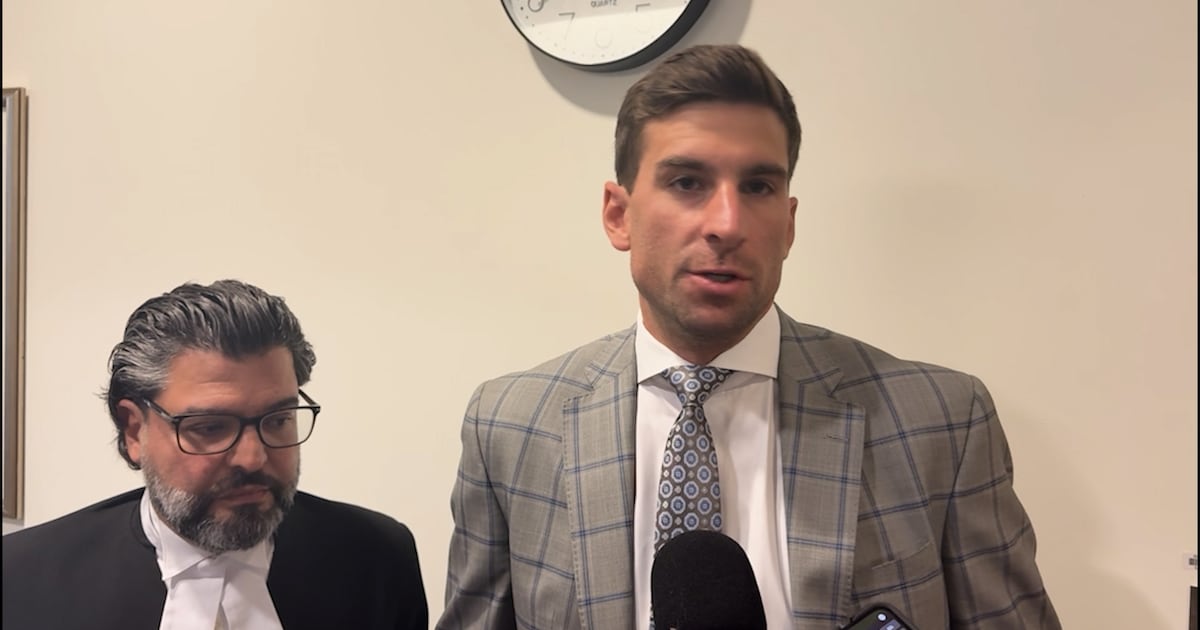
An interesting look at the new world of cross-border junior hockey.
 Mike Davies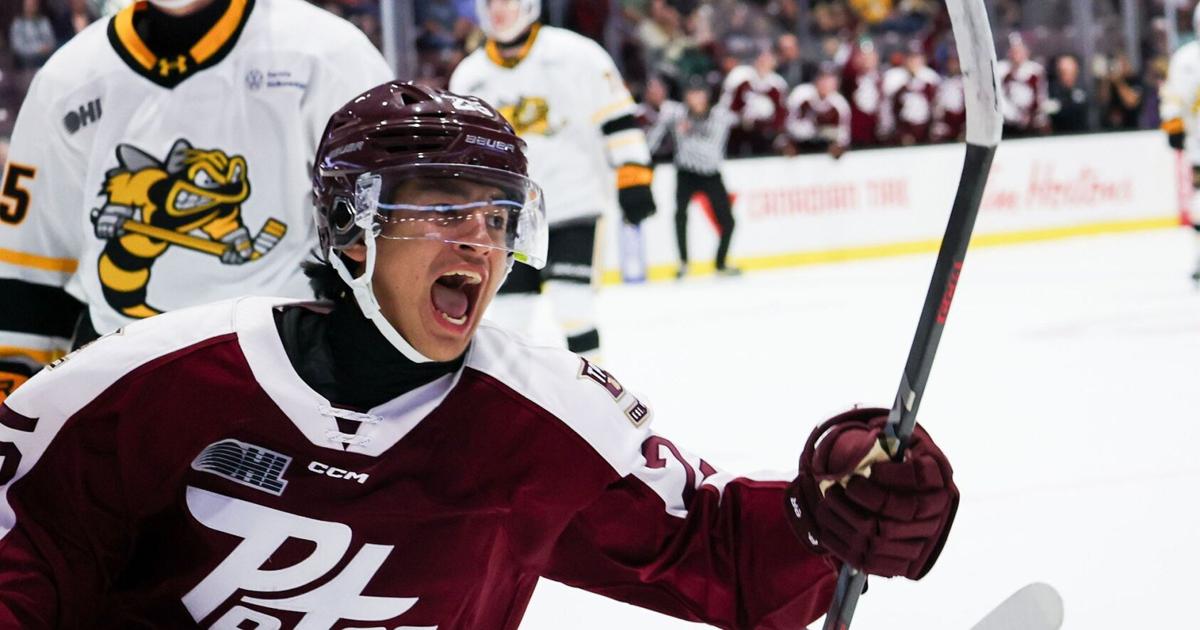
It wasn’t a simple process to get his transfer. It took weeks to negotiate. The existing rules required Peterborough to release DiCunzolo meaning they’d lose his OHL rights, said Petes GM and VP of operations Mike Oke.
Since the USNTDP doesn’t go beyond the U18 season, the Petes wanted to retain his rights so another OHL team couldn’t sign him. There were other Canadian Hockey League (CHL) teams facing similar predicaments.
Oke said the OHL and CHL led the discussions with Hockey Canada, USA Hockey and the International Ice Hockey Federation (IIHF).
The result is an agreement which allows the CHL teams to retain the players as affiliated players.
All of this effort may never bear any fruit for the Petes since the player is also planning an NCAA career as soon as the team wants him to start school.
And for PWHL fans, if you've seen this [many redacted adjectives] story around:
 Ian Kennedy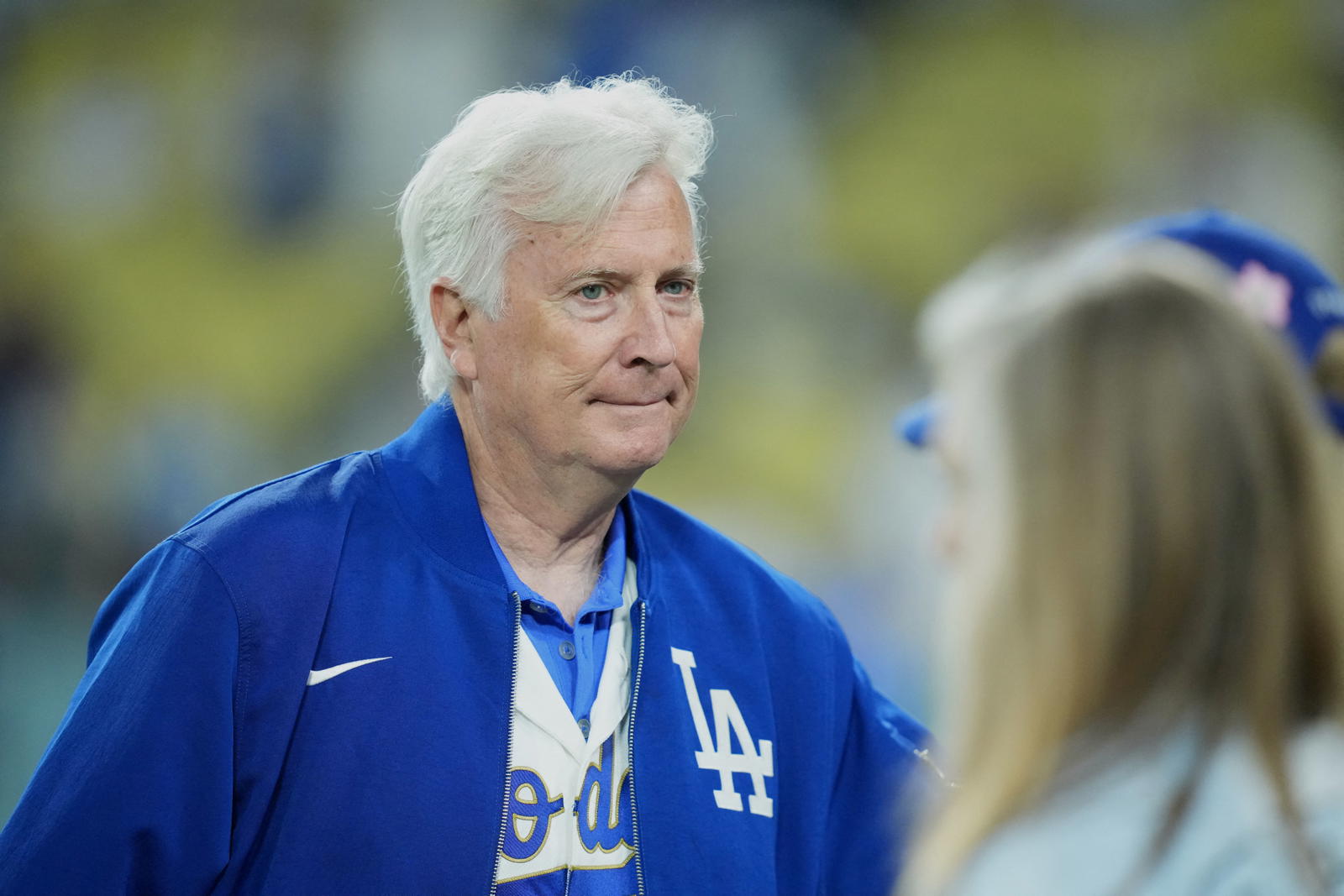
I would urge you to have no emotional response to this. Not even irritation, as you can be assured I've done that for you already.
This story is interesting and vaguely sketchy as all American business stories are, but it is about Mark Walter's core businesses, his sale of the Lakers to someone with the last name of Kushner, and has nothing to do with the PWHL.
I feel like there is some kind of vague terminally online hockey fan opinion that the PWHL is now suddenly a money spinner. It is not. But it is generating revenue above expectations and has gained some further investment from Larry Tanenbaum's company and the Ilitch family.

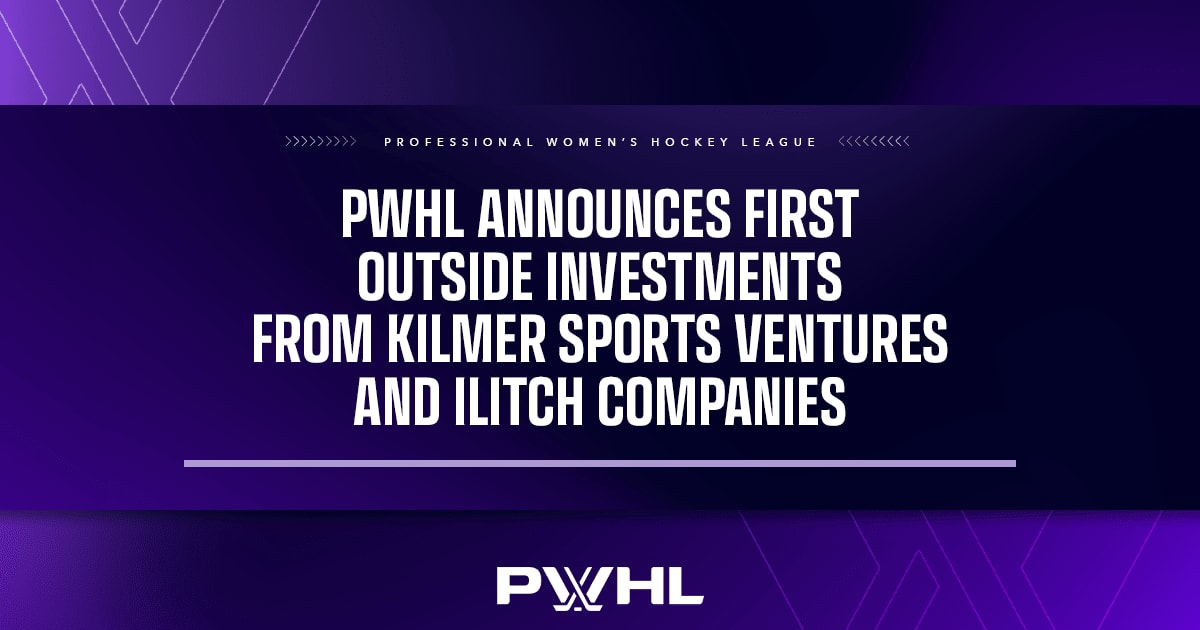
The exact dollar value Walter pledged to the PWHL is unknown, as the announcement was to fund the league for 10 years. That timeframe indicates how long it takes for a business like this to grow to a level where it is a valuable asset and where teams are taking in more revenue than they spend to operate. There is no indication that the PWHL is ready to transition to a model of individual team ownership, or if they ever will.
This other story is about sums in the billions. The b is very important there. Forbes and The Athletic amongst other publications are covering that if you're interested.
And yes, yes, that story is just asking the question. Which the PWHL was forced to respond to. Could the PWHL colour the ice purple? Could the PWHL make the nets bigger? Could the PWHL go on a barnstorming tour of Australia?
Just asking the questions. Would you could you on a boat...


Comment Navigation & Markdown
Navigation
cc to focus on comments section
c next comment
x previous comment
z next unread comment
Inline Styles
Bold: **Text**
Italics: *Text*
Both: ***Text***
Strikethrough: ~~Text~~
Code: `Text` used as sarcasm font at PPP
Spoiler: !!Text!!